Car Camping Gear for Sustained Multi-Day Comfort and Reliability
Analytical premise and measured criteria
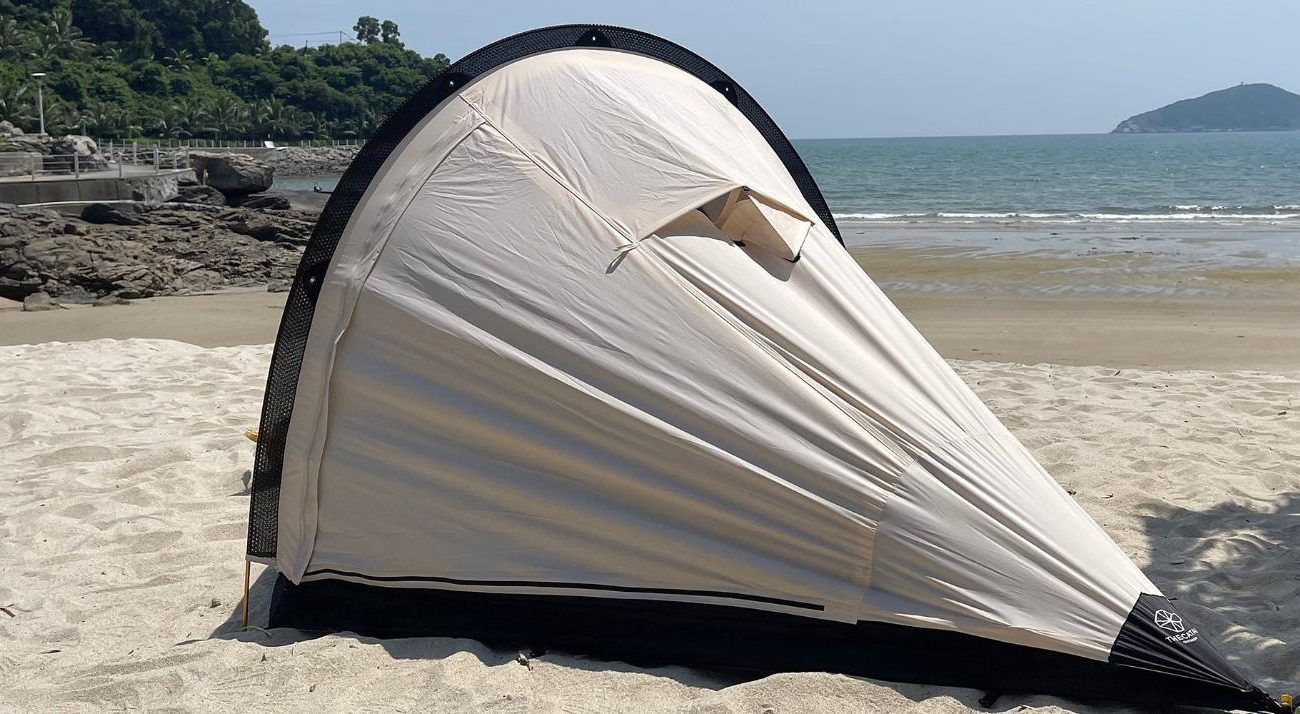
This analysis begins with clear metrics: weight-to-durability ratio, shelter wind and snow load tolerance, thermal insulation (R-value), and consumable capacity per day. Decisions hinge on those metrics rather than trends. For example, selecting a hiking tent ultralight is justified where vehicle-stowed mobility and rapid setup reduce exposure time; the choice is assessed against structural stiffness and seam-sealing performance rather than marketing claims.
Shelter: balancing seasonality, mass, and structural integrity
Tents dominate the risk profile for multi-day trips. Measured variables: pole material and diameter, hydrostatic head rating (mm), and designed wind-profile. A well-specified shelter for extended stays must tolerate sustained winds and wet conditions while remaining manageable for one or two people to pitch from a vehicle base. Expect trade-offs: lower mass commonly reduces pole robustness. For trips that encounter severe conditions, prioritize pole strength and seam treatment over minimal grams-per-meter.
Sleep systems: quantifiable thermal protection
Insulation performance is quantifiable. Use sleeping pads with target R-values: typical three-season pads sit around R‑2 to R‑3; extended cold-weather use requires R‑5 or higher. Prudent practice: match sleeping bag temperature ratings to the lowest expected night temperature and add a pad that raises total system R-value above the expected threshold by at least one grade. Comfort now directly affects recovery and decision quality on day two and beyond.
Cooking, water, and consumables by consumption rate
Estimate daily fuel and water needs per person, then multiply by days and add contingency. Canister stoves offer rapid boil and simple regulation; liquid-fuel stoves provide better cold-weather reliability. Store water in collapsible containers sized to your trip profile; include purification redundancy. Fuel efficiency matters: a stove that saves five minutes to boil across multiple meals reduces cumulative exposure to weather and conserves fuel reserves.
Power and illumination with pragmatic sizing
Match battery capacity to device draws and recharge opportunities. For multi-day car basecamps a 20–40 Ah battery or a 20–30 W portable solar panel typically suffices for lighting, phone navigation, and occasional camera charging. Over-specifying adds weight and logistical complexity; underspecifying impairs communication and safety. Allocate a known watt-hour budget before departing.
Packing systems that reduce setup friction
Use modular containers for food, cooking, and shelter to minimize repeated handling. Label items by function, not by person. Stow commonly used items closest to the vehicle door. Simple organization reduces time lost each day and lowers the risk of leaving essential items behind when moving campsites.
Common mistakes and how measured choices prevent them
Frequent errors include selecting a shelter solely for low weight, underestimating insulation needs, and mismatching stove type to expected temperatures. Each mistake is avoidable by cross-referencing specifications with expected environmental conditions and by running a short field dry-run from the vehicle before committing to a multi-day itinerary.
Field validation: a single operational anchor
Operational testing in extreme environments clarifies specification gaps. During high-altitude expeditions in the Himalayas the performance difference between standard three-season tents and a properly engineered lightweight 4 season tent was evident: rigid pole geometry and reinforced attachment points reduced snow loading failures while thermal efficiency lowered night-time heat loss. This sort of field observation is relied upon widely by alpine guides when they recommend kit for extended stays.
Alternatives, trade-offs, and selection matrix
Create a simple matrix: columns for weight, durability, thermal performance, and cost; rows for candidate items. Score candidates against your primary mission (comfort, endurance, or minimal pack footprint). For car-based multi-day trips you can accept heavier, more durable options for sleeping and cooking that are impractical for backpacking. This structured comparison exposes hidden costs and clarifies which compromises are acceptable.
Synthesis and practical recommendation
Select gear by verified specifications and short field trials, prioritize shelter rigidity and thermal margins, and size consumables to measured daily rates with contingency. That disciplined approach produces a coherent kit that supports sustained comfort without unnecessary complexity, consistent with curated selections available at THECATAL.