Smart Gardening and Home Improvement: A Practical Guide to Elevating Interior and Exterior Living Spaces
Explore practical strategies for blending gardening with home improvement, elevating interior comfort and exterior curb appeal through thoughtful decor and sustainable practices.
Foundations of a Practical Outdoor-Indoor Garden
Successful home improvement begins with a clear plan that respects both outdoor vitality and interior comfort. Start by mapping light, water access, and soil health to guide plant choices and placement, ensuring you can maintain vibrant greenery without overextending resources. Incorporate durable materials for pathways and borders that withstand seasonal changes while preserving a cohesive look with interior decor. For a deeper look, see lidar technology.
Consider how this layout supports daily routines: a front garden that welcomes guests, a back plot designed for easy maintenance, and a transition zone that connects outdoor spaces with living areas. Use native plants to reduce watering needs and pests, while choosing textures and colors that harmonize with interior accents. A balanced approach strengthens home improvement goals and fosters sustainable gardening habits.
Optimizing Lighting and Microclimates for Both Spaces
Light placement dramatically affects how a garden feels and how interior rooms function. Assess sun patterns across seasons to determine where to install shade structures, pergolas, or vertical plantings that reduce heat gain inside the home while creating inviting exterior living rooms. Thoughtful lighting around paths and entryways extends usability after dusk and highlights focal garden specimens.
In interior zones, introduce layered lighting that complements natural light, using warm-toned fixtures near seating areas and cooler task lighting for workspaces. This approach supports decor cohesion and improves energy efficiency. A well-lit garden also protects plants from over-watering mistakes by guiding use and attention, making gardening more enjoyable and integrated with everyday life.
Water Management as a Core Decor and Plant Strategy
Efficient irrigation underpins both interior and exterior comfort. Implement drip lines and smart controllers that tailor watering to plant needs and weather forecasts, reducing waste and protecting soil structure. Pair irrigation with a mulching plan that moderates soil temperature, minimizes weeds, and extends moisture retention for flower beds and vegetable patches alike.
Water features can act as focal decor while offering microclimate benefits for adjacent seating areas. Consider a small column fountain or a reflective pond that draws birds and pollinators without creating maintenance burdens. Such elements align with home improvement goals by boosting curb appeal, inviting relaxation, and supporting a thriving garden ecosystem.
Soil Health, Composting, and Sustainable Practice
Healthy soil is the foundation of vigorous planting and a robust interior aesthetics that relies on natural scenery. Start with soil tests to determine pH and nutrient levels, then amend with compost and seasonal organic matter to nourish roots. Rotating crops and planting diverse species aids pest resistance and yields richer harvests for kitchen gardens and decorative borders alike.
Adopt a composting routine that fits your space, whether a compact tumbler under a balcony or a built-in heap in a shed corner. This practice reduces waste and provides a steady supply of humus to feed both ornamental beds and edible plots. The result is tangible: stronger plants, lower chemical inputs, and a more digestible narrative between interior green ambitions and exterior growth.
Furniture, Storage, and the Interiors-Exteriors Dialogue
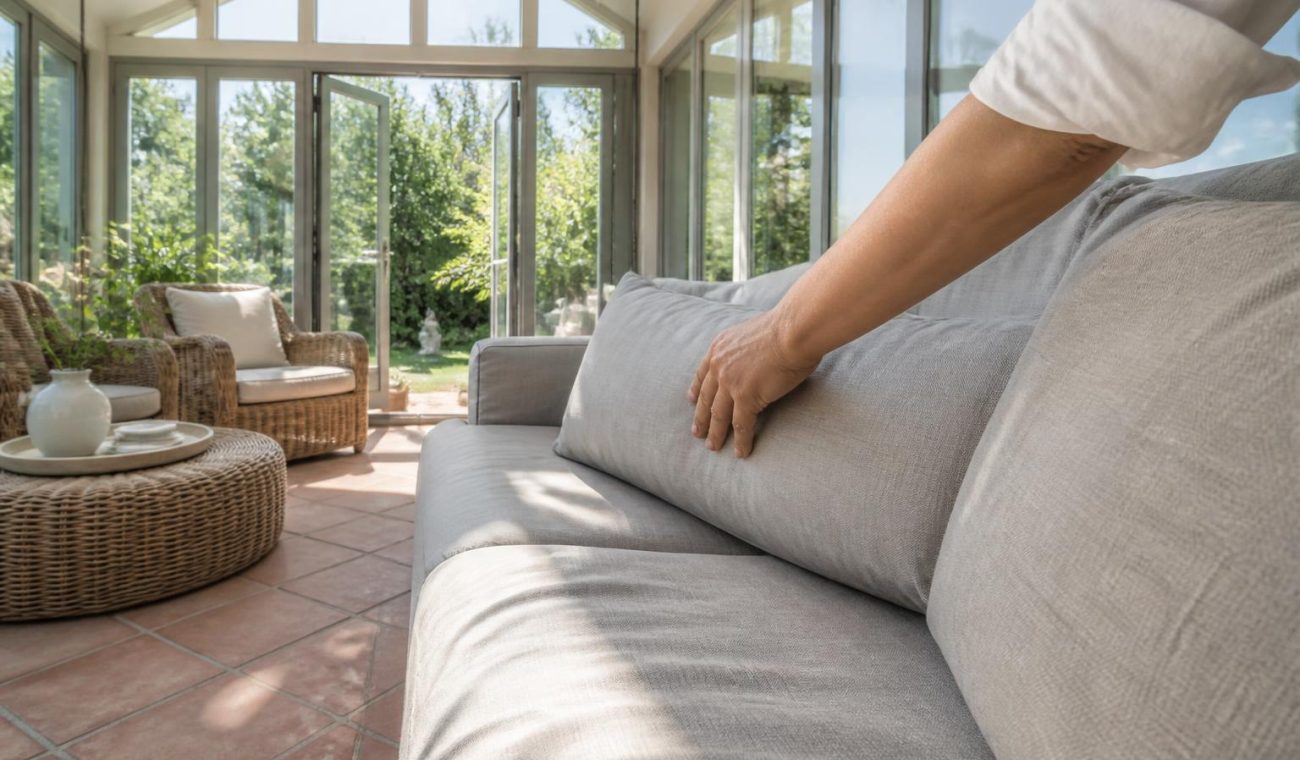
Furniture selection should bridge indoor comfort with outdoor resilience. Choose weather-appropriate seating that mirrors interior style—think cozy cushions in fade-resistant fabrics and tables that double as work surfaces for garden planning. Integrate storage solutions that organize tools, pots, and seasonal decor, ensuring the home environment remains uncluttered and aesthetically coherent across spaces.
Decor items can unify the tone from living room to patio. Use textiles, color palettes, and materials that echo indoor finishes in outdoor cushions, planters, and lighting fixtures. A seamless dialogue between interior and exterior design invites daily rituals—coffee on the terrace, herb snips from the kitchen garden, and seasonally refreshed arrangements—while maintaining practical organization.
Seasonal Transitions: Planning and Adaptation
Seasonal planning keeps both home interiors and garden spaces feeling current and purposeful. Develop a maintenance calendar that aligns pruning, planting, and decorative refreshes with household routines. This reduces last-minute scrambling and reinforces a calm, well-managed home environment that respects the evolving garden cycle.
Adaptation also means choosing plants and decor that tolerate local extremes or microclimates. For dining areas, select container gardens that can be moved indoors during freezes, while keeping structural elements like trellises and raised beds accessible for quick rethinking. A flexible approach ensures ongoing home improvement momentum and garden vitality year round.
Technology and Design: Enhancing Both Realms
Incorporate practical tech that streamlines maintenance and elevates the user experience in both interior and exterior settings. Smart irrigation, soil sensors, and weather-responsive controls reduce effort while improving plant performance. When planning, consider how outdoor tech aligns with interior control systems for a unified smart-home feel that extends to decor choices and daily routines.
One modern example of this integration is the use of lidar technology in mapping and planning outdoor projects, from assessing trees to designing drainage and lighting layouts. While not a substitute for hands-on care, such tools empower homeowners to make informed decisions about space utilization and aesthetic outcomes without excessive trial and error.
Texture and Detail: Adding Depth to Your Spaces
- Layer plant heights with ground covers, mid-height shrubs, and vertical accents to create visual depth indoors and outdoors.
- Choose a cohesive color story that ties furniture, planters, and fabrics across spaces for a unified decor language.
- Incorporate natural materials like wood, stone, and woven textures to soften modern lines in both rooms and gardens.