User-Centered Shifts in Laser Engraver Fume Extractor Design for 2025
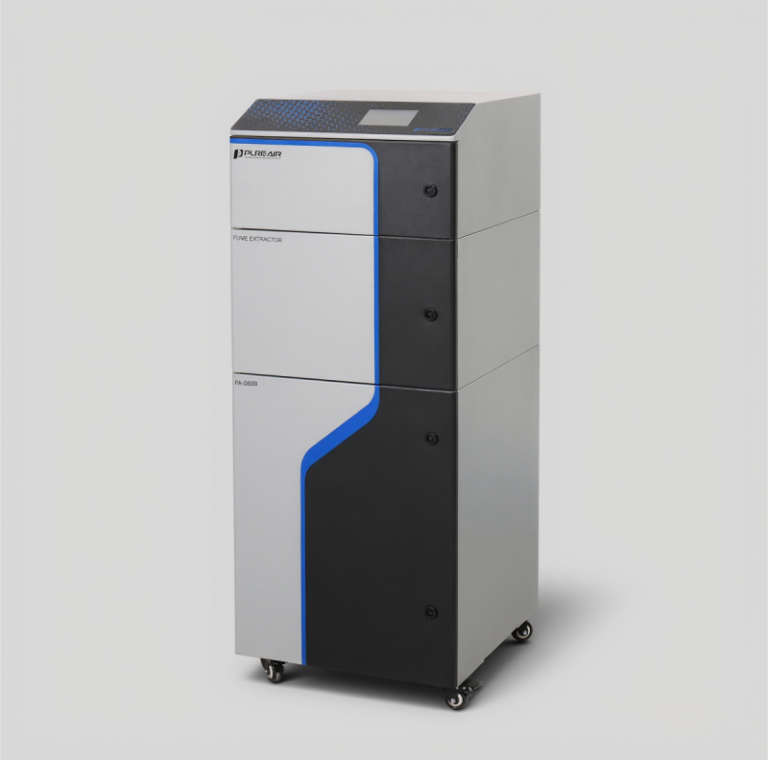
Introduction — a shop-floor moment
I still remember the smell the first time a batch of engraved acrylic came off my desktop cutter: warm plastic, metallic tang, and a faint sweetness that lingered in the lungs. The second sentence must say it: laser engraver fume extractor units were nowhere near as common then, and many shops simply cracked a window. Recent surveys show small studios report elevated PM2.5 levels after a day of cutting — sometimes three times the safe limit — which raises a simple question: how do we protect people without killing productivity? I want to paint you a scene: sunlight through dust motes, the hum of an inline fan, a faint chemical note that makes you pause. (That pause is where the decision gets made.) Let’s move into why common fixes often miss the mark and what I’ve learned on the bench — step by step, sensory, and practical.
Where the usual fixes break down
When I talk about laser engraver air purifier, I don’t mean the cheap box you slap under a table hoping for miracles. I mean systems engineered for particulate capture and VOC control. Too often, shops rely on ducting to a window, a small HEPA tower, or a single-speed inline fan. Technically, these help — they shift airflow and filter some particulates — but they miss several failure modes: poor airflow balance, filter saturation, and inadequate VOC adsorption. These flaws cause backflow, dead zones around the workpiece, and, yes, lingering odors that signal unseen contamination (not just a nuisance).
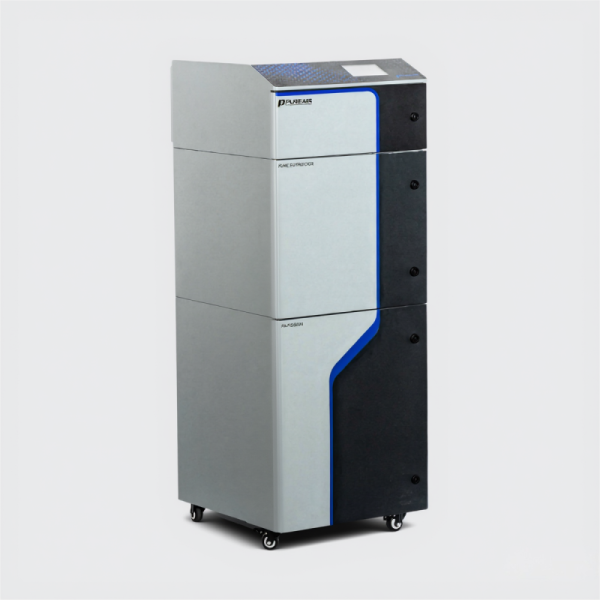 Why does that happen?
First, airflow rate is often underspecified: people buy a unit rated in CFM without matching it to the cutter’s exhaust and enclosure leak rates. Second, filter media is treated as one-size-fits-all. HEPA removes particulates; activated carbon tackles VOCs — you need both, in the right sequence. Third, maintenance gets ignored. Filters loaded with resin fumes clog quickly, reducing capture efficiency and stressing power converters or motors. Look, it’s simpler than you think: match capacity to enclosure volume, include staged filters, and check differential pressure regularly. I’ve seen a tidy bench turn into a hazard zone inside a week because someone skipped that last step.
Future outlook: smarter solutions and practical choices
Looking forward, I see two clear paths: smarter hardware and smarter practices. On the hardware side, newer units combine variable-speed inline fans, modular filter cartridges, and onboard sensors that report PM2.5 and VOC trends. That real-time feedback changes behavior — operators close lids, slow feed rates, or swap cartridges sooner. Case in point: a small studio I worked with replaced a fixed-speed extractor with a unit that adjusted fan speed to plume intensity. The difference was immediate: fewer odors, lower measured PM2.5, and less noise — small wins add up. — funny how that works, right?
What’s Next?
On the practice side, pairing an effective laser engraver air purifier with simple shop rules (closed enclosures, scheduled filter checks, and material-specific cutting profiles) yields the best outcomes. We should also push for basic sensors: a cheap particulate monitor can tell you more than a hunch. I recommend shops start with a clear baseline measurement, then iterate. Short-term fixes are tempting — open a window, buy a plug-in purifier — but the smarter, layered approach reduces risk and saves money over time. I don’t want to sugarcoat it: implementation takes attention, but the payoff is calmer air and confident operators.
Closing — three practical metrics to guide your choice
We’ve walked through smell and smoke, busted common myths, and peeked at the near future. If you’re evaluating solutions, I offer three metrics I use when advising shops: (1) Effective CFM matched to your enclosure displacement, not manufacturer claims alone; (2) Filter staging and replacement cadence — HEPA + activated carbon with easy swaps; and (3) Sensor integration — real PM2.5 and VOC readouts, plus a simple alert system. Those three things together tell you whether a system will perform under real use. I speak from hands-on experience and a few messy mistakes; I still prefer simple rigs that are easy to maintain. In short: prioritize measurable capture, predictable maintenance, and clear feedback. For reliable products and deeper support, consider the solutions from PURE-AIR.