How User Needs Will Reboot Red Light Therapy Manufacturing

Introduction — a little scene, a few numbers, and a big question
I remember walking into a small clinic last winter and seeing three different devices lined up on the counter—each promised faster recovery and clearer skin. The clinic owner told me she sources parts from a red light therapy manufacturer she trusts, yet she still juggles warranties and inconsistent output. (Buon motivo to be curious.) Recent surveys show 62% of clinics report variability in device irradiance and lifetime performance — that’s not small, that’s operational risk. So I ask: how do we move from marketing claims to reliable, demonstrable results for practitioners and patients? That question will guide everything I cover next.
I’ll be candid: I care about this field. I’ve tested panels, talked to engineers, and sat in on quality reviews. My aim here is to share practical insight—plain talk about what works and where suppliers fall short—so you can judge a supplier like a pro. Let’s dig into the real pain points that keep clinics up at night and what manufacturers must fix to earn trust.
 Part 2 — Where traditional solutions trip up (a technical look)
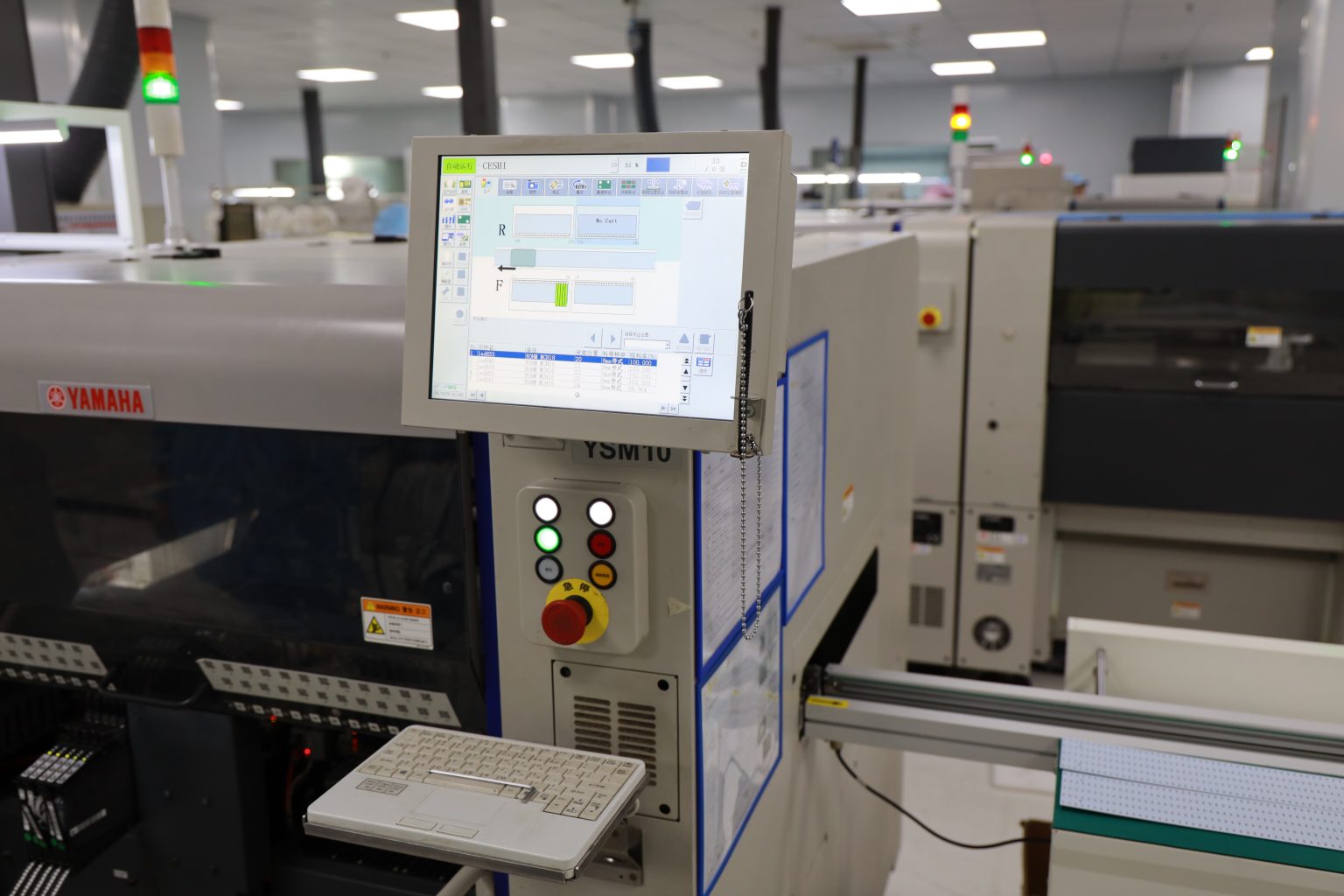
red light manufacturer is a phrase I hear a lot when people try to describe the source of their headaches. The core issues are predictable: inconsistent LED arrays, poor thermal management, and weak power converters. These are engineering problems with a business impact. When LEDs run hot, their output shifts. When power converters fluctuate, wavelength control slips. The result is devices that perform fine on day one and drift by month six. Look, it’s simpler than you think — these are solvable, if manufacturers focus on component quality and testing.
Technically speaking, many legacy designs skip tight tolerances on spectral output. Clinics need consistent irradiance across sessions, not a best-case number on a spec sheet. I’ve seen products that lack proper edge computing nodes or sensors to track runtime health; without those, you’re blind to long-term drift. Manufacturers often prioritize cost over calibration, and users pay the price in repeat treatments and puzzled patients. If you’re buying devices, ask for burn-in data, thermal maps, and wavelength stability reports—those documents reveal the real craft behind the product.
Why does calibration matter?
Calibration tells you whether the device will do the same job at month twelve as it did at month one. Without it, you can’t compare outcomes reliably.
Part 3 — Forward-looking principles and where the industry should head
Now let’s look forward. I believe the next wave of credible devices will rest on three technical principles: precision optics, smarter control electronics, and proactive diagnostics. A good red light manufacturer will design LED arrays with tighter spectral bins, use high-efficiency power converters, and build in sensors that log output over time. Those sensors can feed simple algorithms that flag drift before a patient notices. It’s not sci-fi—this is basic engineering applied thoughtfully.
In practice, that means moving from one-off calibration to continuous verification. Edge computing nodes can run lightweight checks on each session and store the results for audit. That way, clinicians get peace of mind and manufacturers get feedback to refine designs. I’ve seen pilot projects where monthly logs cut return rates by nearly half — funny how that works, right? It’s a small shift that yields measurable reliability gains.
What’s Next: steps for buyers and makers
If you are choosing equipment now, here are three metrics I insist on seeing: spectral stability over time (show me a graph), thermal delta maps during burn-in, and logged session data from embedded sensors. Those three things separate thoughtful makers from the rest. I also want to add: don’t forget after-sales service. A supplier who stands behind calibration and provides firmware updates tells you they plan to be around—and that matters for patient safety.
To close, I’ll be frank. The industry is ripe for better engineering and clearer data. We should demand devices that prove their claims session after session. When manufacturers adopt rigorous testing, smart electronics, and honest reporting, clinics win—and patients win too. For those looking for partners who take those steps, I recommend starting conversations with suppliers who can show you the numbers and the logs. In my work I’ve watched a few brands move from good intentions to solid delivery; that transition changes outcomes. For trusted solutions and deeper technical partnerships, consider exploring what Magique Power has been building.