Nurturing a Year-Round Pond: Practical Garden Guidance for Healthy Water Features
A practical guide to building and maintaining a thriving pond with water lilies, marginal plants, and seasonal care for British ponds.
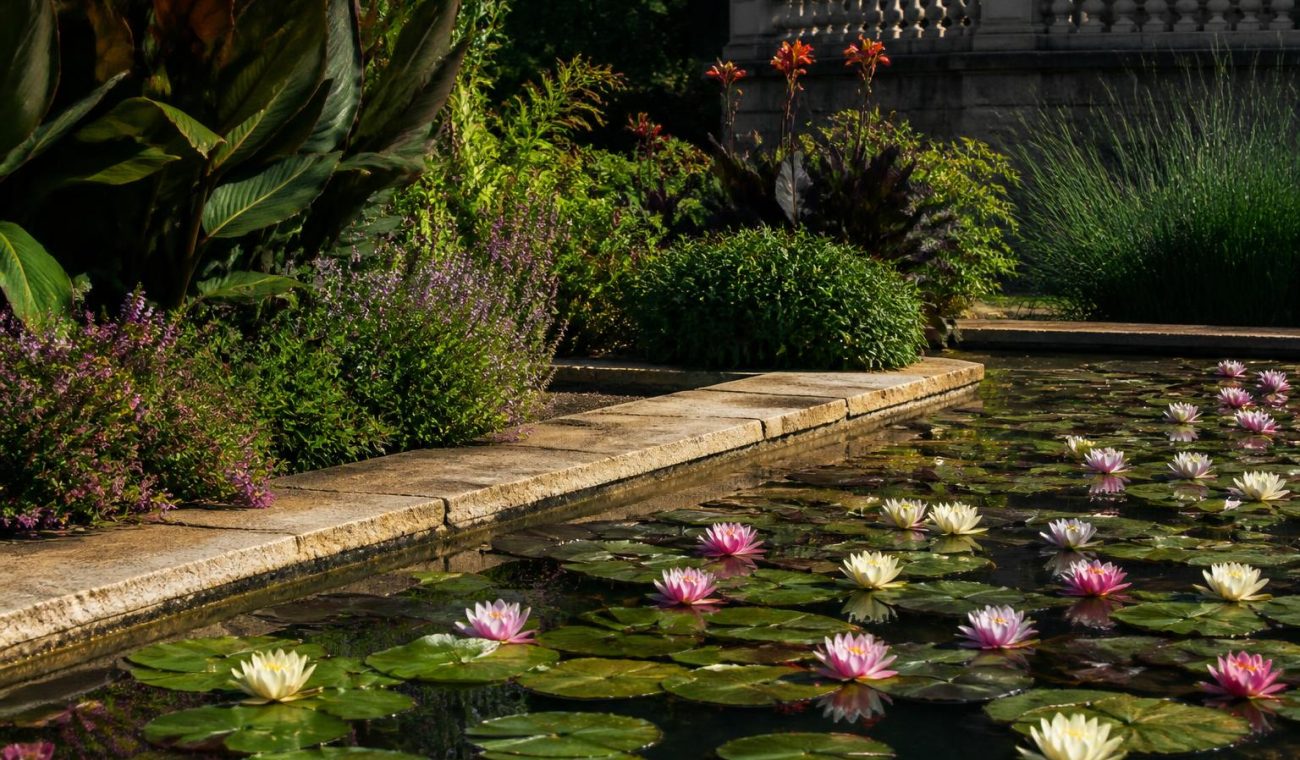
Choosing the Right Pond Plants for a Healthy Water Feature
A successful pond starts with selecting plants that fit your climate, water depth, and aesthetic goals. Start by evaluating sunlight, as some pond plants thrive in full sun while others prefer shade, and ensure you have containers or beds positioned to accommodate growth without crowding. Consider a balanced mix of water lilies for surface shade and marginal pond plants that root along the edges to create depth and texture throughout the season. Buy Water Lilies to establish a bright focal point and a gentle fountain of color that anchors the display for months.
To plan wisely, sketch a rough layout showing depth zones: deep areas for water lilies, mid shelves for submerged oxygenators, and shallow margins for marginal pond plants. Choose native or British pond plants where possible to reduce maintenance and support local wildlife. A thoughtful arrangement helps water stay clear and gives beneficial organisms a stable habitat that rewards you with consistent blooms and healthy growth.
Soil, Substrate, and Water Quality Essentials
Rooting medium matters as much as plant choice. Aquatic soils should be rich enough to support robust root systems yet light enough to avoid compacting under moisture shifts. Regularly test pH and hardness, aiming for a slightly acidic to neutral range that suits most pond plants, especially water lilies and marginal types. Use a substrate layer beneath aquatic mulch to anchor plant crowns and promote steady nutrient uptake throughout the growing season.
Water quality is a constant stewardship task. Remove debris and fallen leaves to prevent nutrient surges that fuel algal blooms. Introduce marginal pond plants along gently sloping shelves to shade the water and encourage beneficial bacteria. Aeration helps maintain dissolved oxygen at night and during still periods, supporting fish, amphibians, and plant roots alike in a balanced ecosystem.
Hydration Schedules and Seasonal Care
Establish a predictable irrigation rhythm that mirrors seasonal demand. In spring, ramp up with gentle, frequent top-offs to compensate for evaporation, then shift toward deeper watering during heatwaves while monitoring plant energy levels. Water lilies establish new growth after a cool spell, so provide stable moisture without waterlogging the pots. Regularly inspect margins for signs of drought stress and adjust rotation accordingly.
Autumn brings a different cadence: gradually reduce feeding and prepare the bed for winter by trimming back overly vigorous growth and removing spent foliage from marginal pond plants. A light mulching layer helps retain moisture and suppress weeds, while winter protection for containerized specimens shields crowns from freezing temperatures. Expect a quiet season, then vibrant revival as daylight lengthens and temperatures rise again.
Practical Plant Pairings: Water Lilies and Friends
When pairing species, think about contrast as well as compatibility. Water lilies offer a floating canopy that shades the deeper portions of the pond, while marginal pond plants crowd the edges with color and texture. Choose varieties with complementary bloom times to ensure visual interest across the season. Combine hardy water lilies with evergreen marginal species for year-round structure and a reliable source of habitat for pond life.
British pond plants bring resilience and familiarity to a landscape. Species like heuchera-lookalikes or iris relatives provide upright architectural forms, pairing nicely with round lily pads and delicate pond fern fronds. Keep the development of roots in check by using appropriately sized containers and ensuring good drainage, which will prevent stagnation and encourage a healthy plant community around the water’s edge.
wildlife-friendly Design: Ponds as Microhabitats
A pond should feel like a living room for wildlife, with niches for insects, amphibians, and birds. Marginal pond plants create a sheltered shoreline that offers shelter and spawning sites, while water lilies provide shade that helps regulate temperature and reduces algae pressure. Creating microhabitats encourages a natural balance, making pond maintenance simpler and less invasive over time.
Think about integrating log or rock piles near the margins to provide hiding places for tadpoles and small fish. A carefully designed mix of plant textures – broad lily leaves, slender iris blades, and rosette-forming marginals – invites diverse visitors and fosters a resilient ecosystem. This approach minimizes disturbance and strengthens the pond’s long-term vitality without excessive intervention.
Common Pitfalls and How to Avoid Them
Overcrowding is a frequent problem, especially with vigorous marginal pond plants that can choke water lilies and limit light. Regularly divide and re-pot growth spurts to maintain balance, and prune away excess foliage to keep circulation steady. Be mindful of nutrient build-up from decaying plant material, which can sustain nuisance algae if not managed through removal and controlled feeding.
Another pitfall is neglecting seasonal transitions, which can leave plants stressed and weak. Prepare for winter by reducing feeding, protecting tropical varieties, and safeguarding shallow-rooted margins from freeze-thaw cycles. By staying proactive with routine checks and small adjustments, you’ll preserve plant vigor and keep the pond looking polished year after year.
Maintenance Toolkit: What You Need for a Vibrant Pond
Invest in a reliable pond net, soft pruning shears, a mild aquatic-safe fertilizer, and a submerged aerator or fountain to support oxygenation. Regularly monitor water level, conduct occasional filtration checks, and replace spent lilies as their bloom cycles wane. A simple clipping routine for marginal pond plants keeps growth controlled and maintains an open water column for light penetration.
Keep a spare supply of pond soil and peat-free amendments to refresh root zones as plants expand. Label containers and keep a seasonal calendar for feeding and pruning so you don’t miss critical tasks. With a thoughtful toolkit and routine, you can enjoy a thriving, low-stress pond that looks natural and well-tuned across the year.